
Clostridioides difficile
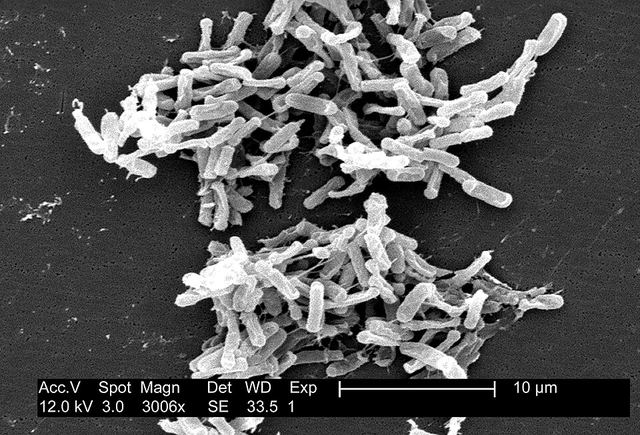
C. difficile, including hypervirulent ribotype 027
General medical information for education only, not medical advice. Treatment considerations summarize published guidance at drug-class level; therapy is chosen by the treating clinician using susceptibility results, local resistance patterns and current guidelines.
Overview
A spore-forming anaerobic Gram-positive rod. Toxin-producing strains cause colitis, usually after antibiotic exposure; spores survive on surfaces for long periods.
Infections
C. difficile infection: diarrhea, colitis, pseudomembranous colitis, toxic megacolon. Ribotype 027 is associated with more severe disease and outbreaks.
Signs and symptoms
Watery diarrhea, abdominal cramps, fever, raised white cell count; severe cases have ileus or shock.
Antibiotic and antimicrobial resistance
Ribotype 027 is typically fluoroquinolone-resistant.
Treatment considerations
Fidaxomicin or oral vancomycin per IDSA/SHEA guidance; stop unnecessary antibiotics. Test only unformed stool from patients with clinically significant diarrhea, because colonization is common.
Infection control and public health
Contact precautions and sporicidal cleaning; soap-and-water hand washing (alcohol does not kill spores).


Sources
- CDC. C. diff (Clostridioides difficile).
- IDSA / SHEA. Clostridioides difficile guideline (2021 focused update).
Sources accessed November 2026. Links open external sites that InnovexLab does not control.
Medical disclaimer
This page is general educational information summarized from published public-health and professional-society guidance. It is not medical advice, a diagnosis or a treatment recommendation, and reading it does not create a clinician–patient relationship with InnovexLab. Decisions about testing, diagnosis and treatment belong to the treating clinician, using the patient’s history and examination, laboratory and susceptibility results, local resistance patterns and current guidelines. Guidance changes over time; consult the original sources for the latest version. InnovexLab provides this information as is and does not warrant that it is complete or current.
Patients with questions about their health should contact their own healthcare provider. In an emergency, call 911.