
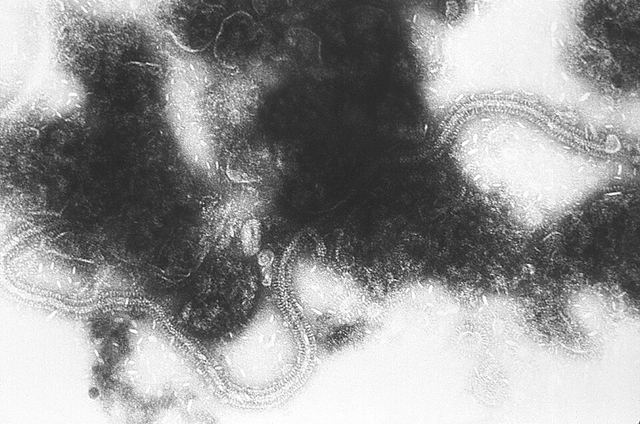
Respiratory syncytial virus (RSV)
RSV A; RSV B
General medical information for education only, not medical advice. Treatment considerations summarize published guidance at drug-class level; therapy is chosen by the treating clinician using susceptibility results, local resistance patterns and current guidelines.
Overview
An RNA virus causing winter respiratory illness; serious in infants, older adults and people with heart or lung disease.
Infections
Upper respiratory infection, bronchiolitis, pneumonia, exacerbation of chronic lung disease.
Signs and symptoms
Runny nose, cough, wheeze, fever, shortness of breath.
Antibiotic and antimicrobial resistance
No antiviral is routinely used for RSV in adults, so drug resistance is not a clinical issue. Antibiotics do not act on viruses.
Treatment considerations
Supportive care; vaccines are available for older adults and in pregnancy, and monoclonal antibody prevention for infants.
Infection control and public health
Contact and droplet precautions; outbreaks occur in long-term care.


Sources
Sources accessed November 2026. Links open external sites that InnovexLab does not control.
Medical disclaimer
This page is general educational information summarized from published public-health and professional-society guidance. It is not medical advice, a diagnosis or a treatment recommendation, and reading it does not create a clinician–patient relationship with InnovexLab. Decisions about testing, diagnosis and treatment belong to the treating clinician, using the patient’s history and examination, laboratory and susceptibility results, local resistance patterns and current guidelines. Guidance changes over time; consult the original sources for the latest version. InnovexLab provides this information as is and does not warrant that it is complete or current.
Patients with questions about their health should contact their own healthcare provider. In an emergency, call 911.