
Vibrio species
Vibrio cholerae; Vibrio parahaemolyticus; Vibrio vulnificus
General medical information for education only, not medical advice. Treatment considerations summarize published guidance at drug-class level; therapy is chosen by the treating clinician using susceptibility results, local resistance patterns and current guidelines.
Overview
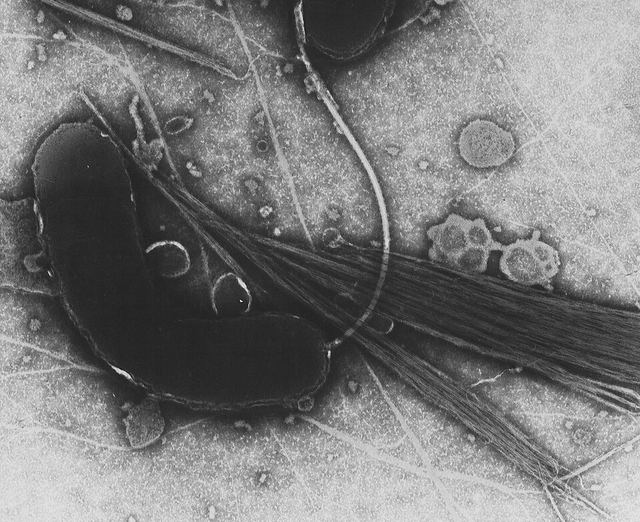
Curved Gram-negative rods from salt and brackish water, including Gulf Coast waters, and raw or undercooked shellfish.
Infections
V. cholerae: cholera. V. parahaemolyticus: gastroenteritis. V. vulnificus: severe wound infection and bloodstream infection, especially with liver disease.
Signs and symptoms
Watery diarrhea and dehydration (cholera); diarrhea with cramps; with V. vulnificus, swelling, blistering skin lesions and sepsis after seawater exposure or raw oysters.
Antibiotic and antimicrobial resistance
Usually susceptible to tetracyclines and fluoroquinolones; resistance occurs.
Treatment considerations
Rehydration for cholera and gastroenteritis. V. vulnificus infection is a medical emergency treated with antibiotics such as doxycycline plus a third-generation cephalosporin, and surgical care.
Infection control and public health
Vibriosis and cholera are nationally notifiable.


Sources
- CDC. Vibrio infection.
- CDC. Cholera.
- IDSA. Infectious Diarrhea guideline.
Sources accessed November 2026. Links open external sites that InnovexLab does not control.
Medical disclaimer
This page is general educational information summarized from published public-health and professional-society guidance. It is not medical advice, a diagnosis or a treatment recommendation, and reading it does not create a clinician–patient relationship with InnovexLab. Decisions about testing, diagnosis and treatment belong to the treating clinician, using the patient’s history and examination, laboratory and susceptibility results, local resistance patterns and current guidelines. Guidance changes over time; consult the original sources for the latest version. InnovexLab provides this information as is and does not warrant that it is complete or current.
Patients with questions about their health should contact their own healthcare provider. In an emergency, call 911.