
Coxiella burnetii
General medical information for education only, not medical advice. Treatment considerations summarize published guidance at drug-class level; therapy is chosen by the treating clinician using susceptibility results, local resistance patterns and current guidelines.
Overview
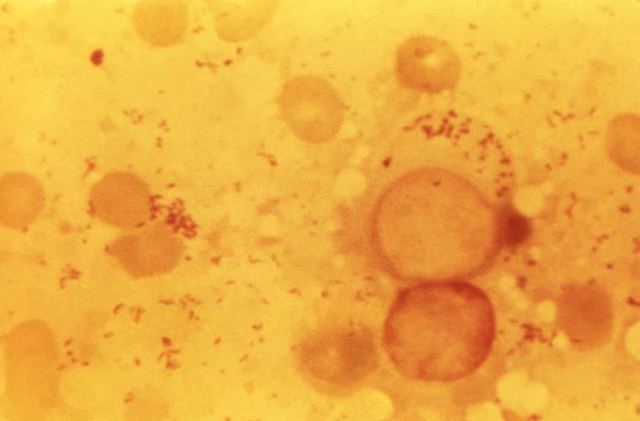
An intracellular bacterium from livestock and their birth products; it cannot be seen on routine Gram stain.
Infections
Q fever: acute flu-like illness, pneumonia or hepatitis; chronic infection such as endocarditis.
Signs and symptoms
High fever, severe headache, muscle aches, cough.
Antibiotic and antimicrobial resistance
Resistance to doxycycline is rare. Chronic infection, such as endocarditis, needs prolonged combination therapy.
Treatment considerations
Doxycycline; chronic infection needs prolonged combination therapy with specialist input.
Infection control and public health
Nationally notifiable.


Sources
- CDC. Q fever.
Sources accessed November 2026. Links open external sites that InnovexLab does not control.
Medical disclaimer
This page is general educational information summarized from published public-health and professional-society guidance. It is not medical advice, a diagnosis or a treatment recommendation, and reading it does not create a clinician–patient relationship with InnovexLab. Decisions about testing, diagnosis and treatment belong to the treating clinician, using the patient’s history and examination, laboratory and susceptibility results, local resistance patterns and current guidelines. Guidance changes over time; consult the original sources for the latest version. InnovexLab provides this information as is and does not warrant that it is complete or current.
Patients with questions about their health should contact their own healthcare provider. In an emergency, call 911.