
Diarrheagenic Escherichia coli
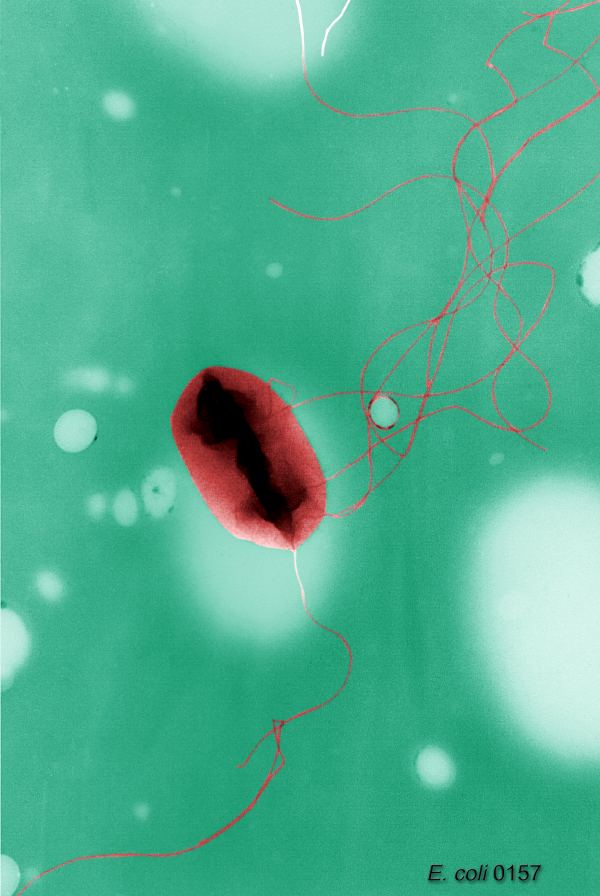
Shiga toxin-producing E. coli (STEC) including O157; enteroaggregative (EAEC); enteroinvasive (EIEC); enteropathogenic (EPEC); enterotoxigenic (ETEC)
General medical information for education only, not medical advice. Treatment considerations summarize published guidance at drug-class level; therapy is chosen by the treating clinician using susceptibility results, local resistance patterns and current guidelines.
Overview
Pathotypes of E. coli that cause diarrhea through toxins or by attaching to or invading the intestinal lining. Spread through contaminated food and water and person to person.
Infections
STEC: bloody diarrhea and hemolytic uremic syndrome (HUS). EAEC: persistent diarrhea. EIEC: dysentery-like illness. EPEC: infant diarrhea. ETEC: watery traveler's diarrhea.
Signs and symptoms
Watery or bloody diarrhea, abdominal cramps, nausea; fever is often absent with STEC. Reduced urine output and pallor after STEC diarrhea suggest HUS.
Antibiotic and antimicrobial resistance
Resistance varies; susceptibility testing applies when treatment is considered.
Treatment considerations
Mainly fluids and supportive care. Antibiotics are generally avoided for STEC because they may increase the risk of HUS; selected cases of other pathotypes, such as severe traveler's diarrhea, may be treated.
Infection control and public health
STEC is a nationally notifiable condition. Contact precautions and hand hygiene in facilities.


Sources
- CDC. E. coli infection.
- IDSA. Infectious Diarrhea guideline.
Sources accessed November 2026. Links open external sites that InnovexLab does not control.
Medical disclaimer
This page is general educational information summarized from published public-health and professional-society guidance. It is not medical advice, a diagnosis or a treatment recommendation, and reading it does not create a clinician–patient relationship with InnovexLab. Decisions about testing, diagnosis and treatment belong to the treating clinician, using the patient’s history and examination, laboratory and susceptibility results, local resistance patterns and current guidelines. Guidance changes over time; consult the original sources for the latest version. InnovexLab provides this information as is and does not warrant that it is complete or current.
Patients with questions about their health should contact their own healthcare provider. In an emergency, call 911.